In this article
If you are building or renovating a bathroom, the commode is one of the first decisions your plumber will ask about, because it changes what goes inside the wall. The two choices are a wall hung commode, fixed to the wall with a hidden flush tank, and a floor mounted commode, which stands on the floor with its tank either attached or concealed.
Here's how these two kinds of western commode compare on what matters most: cleaning, space, strength, cost and repairs. In short, wall hung (wall mounted) commodes are easier to clean and look more modern, while floor mounted (floor standing) commodes are cheaper and simpler to fit.
A note on honesty: Cromio only makes wall hung commodes, so we have tried to make the fair case for floor mounted too.
Quick comparison
| Wall hung | Floor mounted | |
|---|---|---|
| Cleaning | Clear floor underneath, mop right to the wall | Corners around the base collect dirt |
| Look | Floating, minimal, modern | Traditional, more visible bulk |
| Space | Feels larger; cistern hidden in the wall | Takes more visible floor and wall space |
| Installation | Needs a concealed cistern and frame, planned before tiling | Connects to an existing floor (S-trap) or wall (P-trap) outlet; quick to fit |
| Total cost | Higher (bowl + cistern + frame + flush plate) | Lower |
| Seat height | Set during installation to suit your family | Fixed by the product |
| Best for | New builds and full renovations | Quick replacements and tight budgets |
Cleaning and hygiene
This is the biggest everyday difference. A floor mounted commode meets the floor all around its base, and that joint is where dirt, water and stains gather. A wall hung commode leaves the floor completely open, so you can mop straight underneath it.
Choose a rimless bowl for either type. Without the hidden ledge under the top edge, there is nowhere for germs to hide and the bowl wipes clean in seconds. Every Cromio wall hung commode is rimless.
Is a wall hung commode strong enough?
Yes, when it is installed correctly. The weight is carried by a steel support frame anchored into the floor and wall, not by the tiles or the bowl. Leading concealed cistern frames are rated to carry around 400 kg, so check the rating of the frame you buy. What matters is that your plumber fixes the frame to a solid structure and follows the frame maker's instructions.
Tip: buy the concealed cistern and frame from an established brand, and let your plumber install it before tiling. Most problems with wall hung toilets come from cheap frames or rushed fitting, not from the bowl.
Space and looks
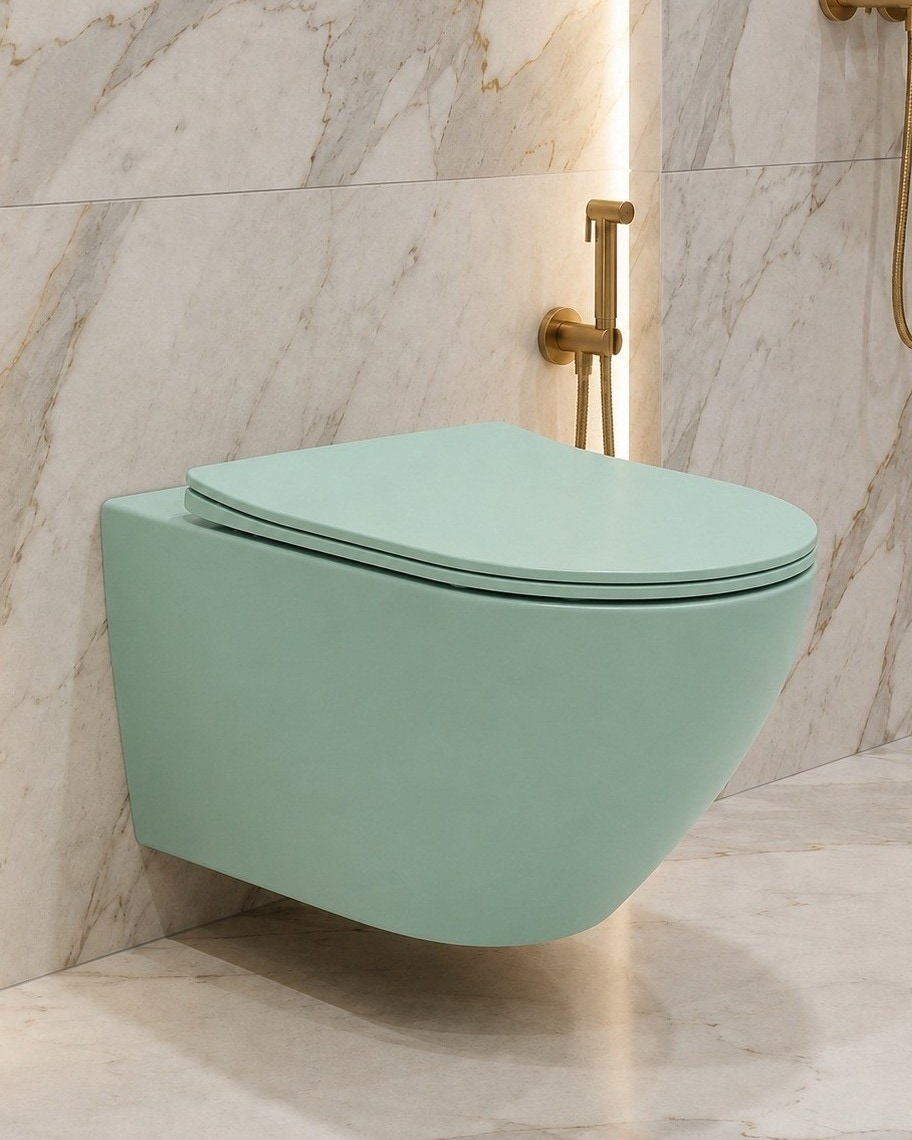
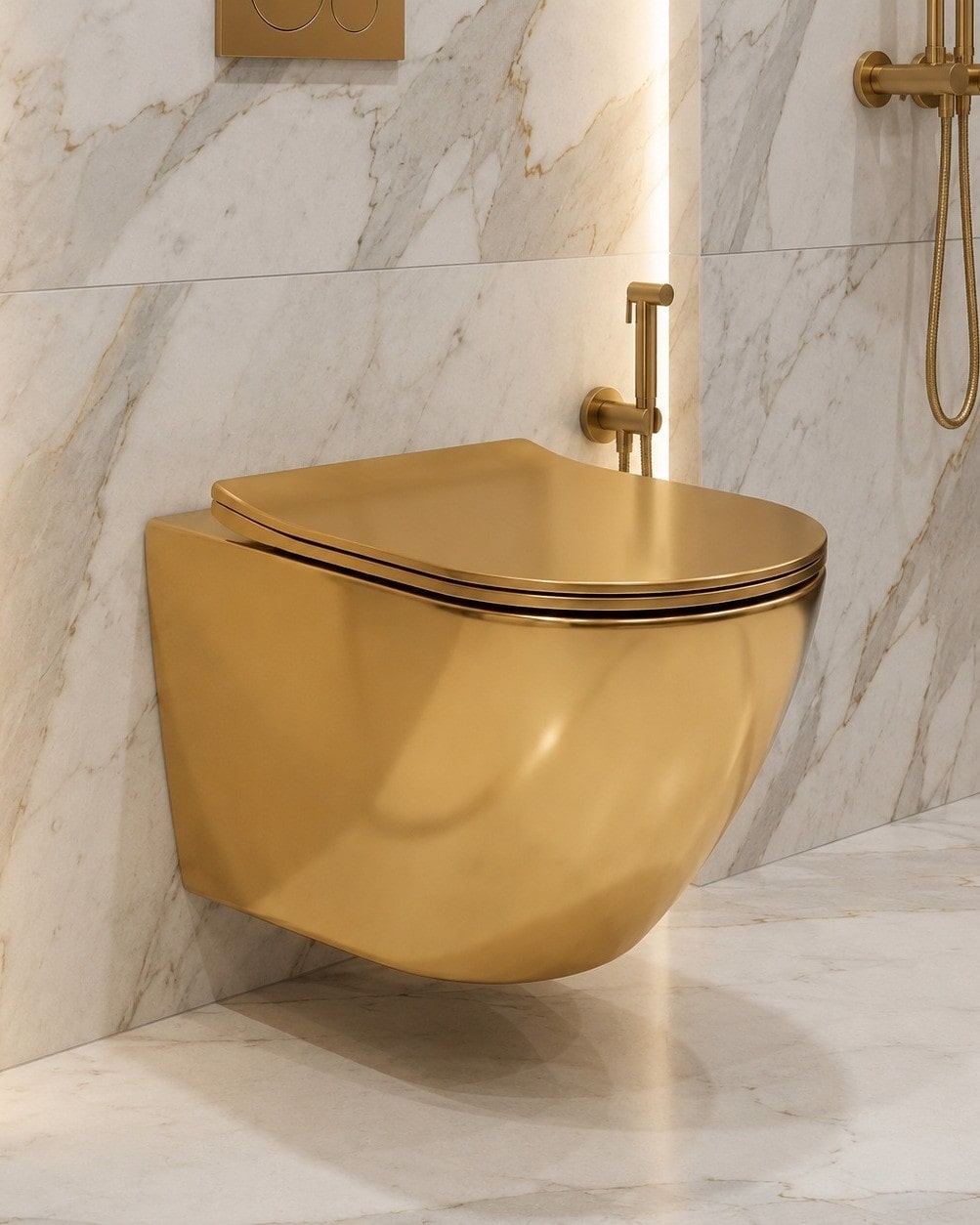
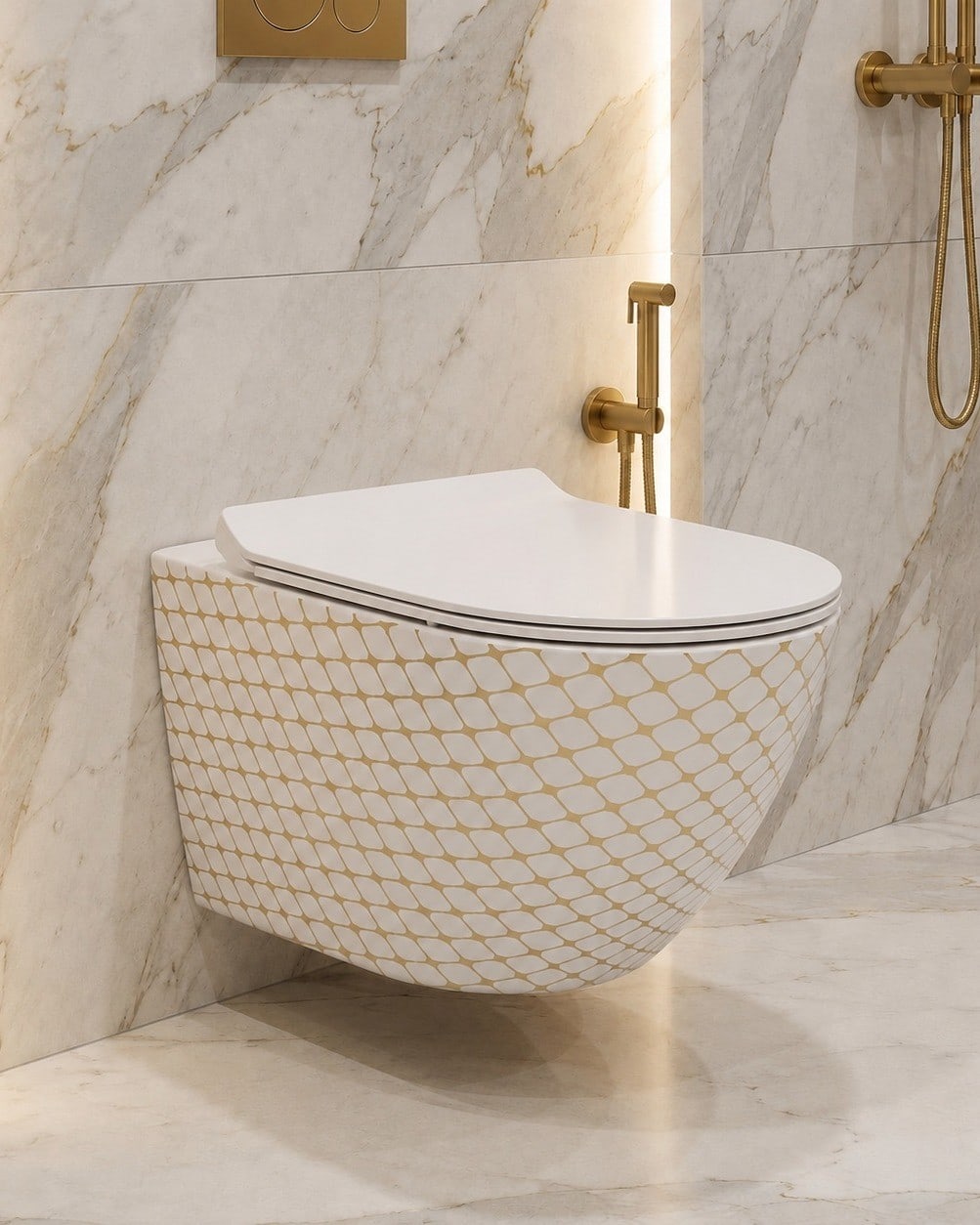
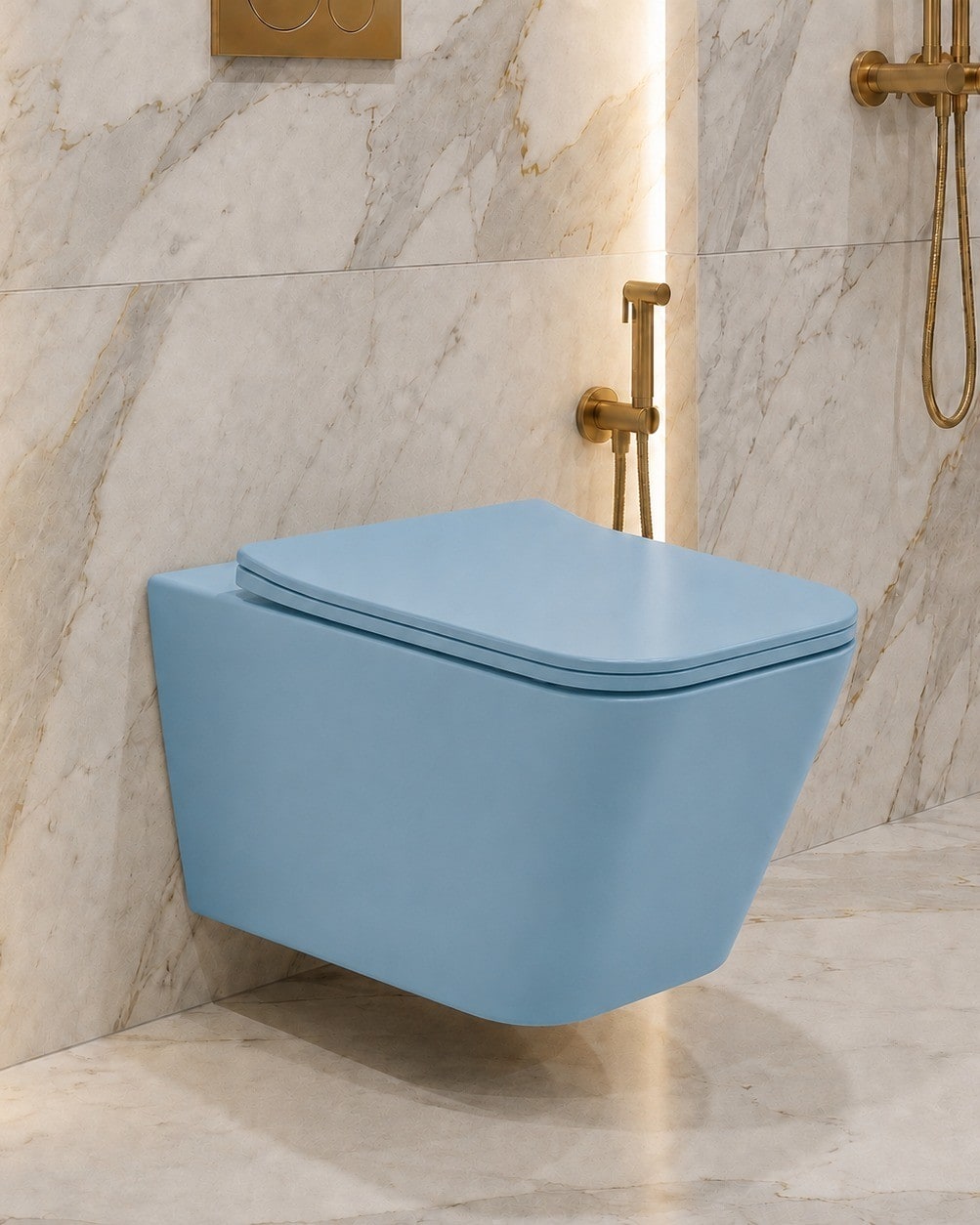
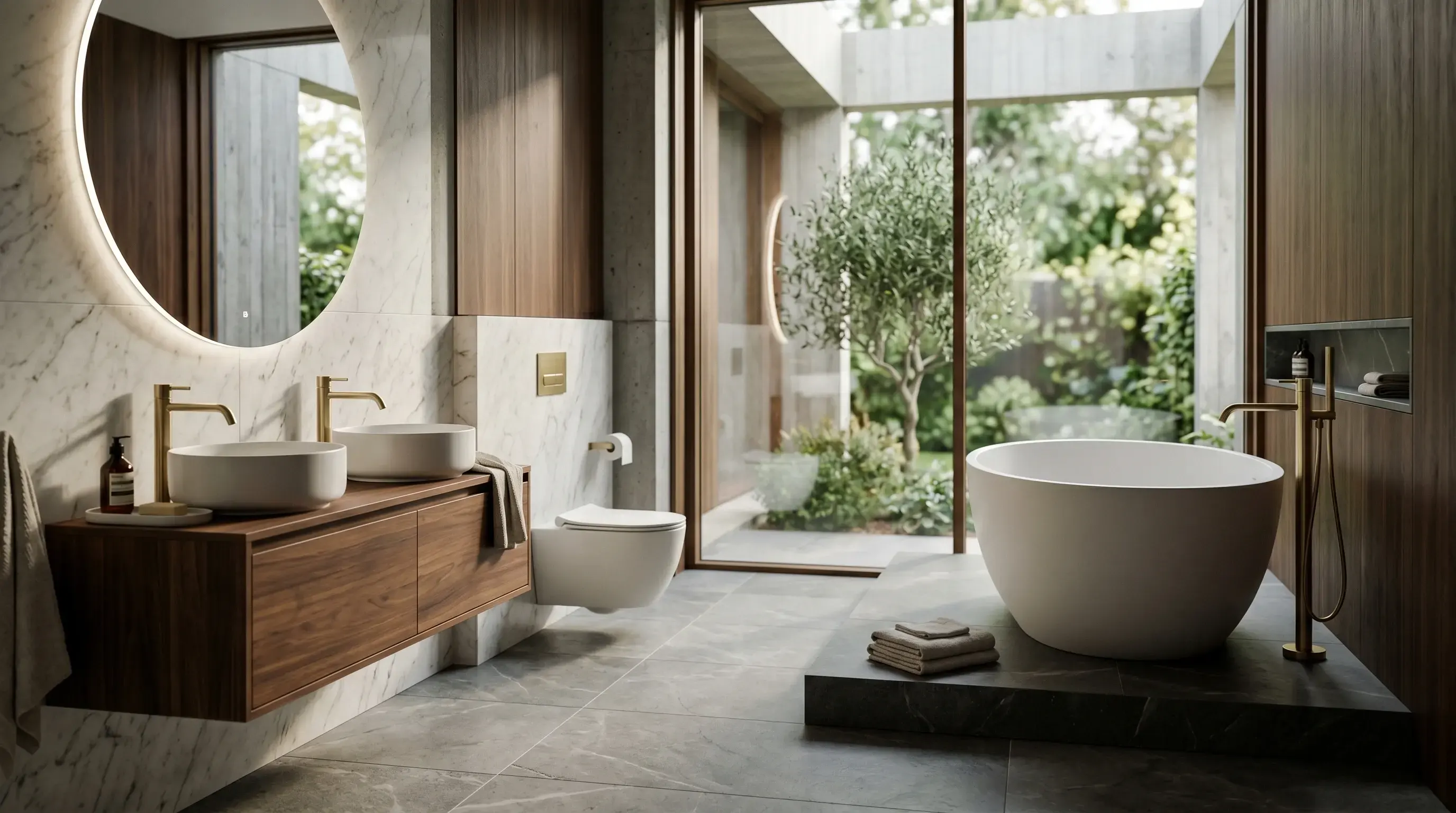
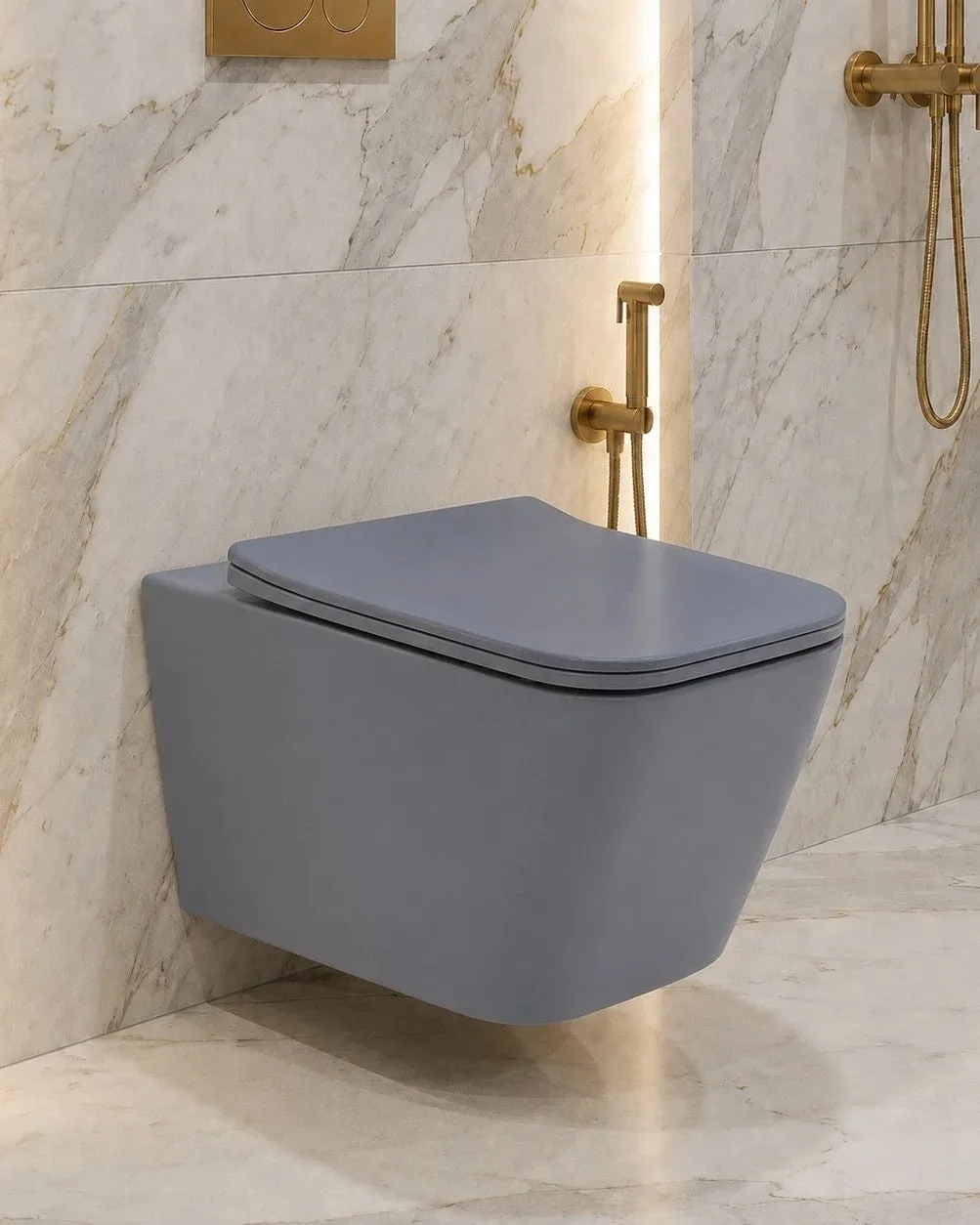
With the cistern inside the wall and the floor visible underneath, a wall hung commode makes even a compact Indian apartment bathroom feel bigger. It also suits colour: a matte black, grey or pastel bowl floating against marble tiles looks like a designer piece rather than a fixture.
Floor mounted commodes have more visible bulk, especially models with an attached tank, but they suit traditional bathrooms well.
Installation and cost
A floor mounted commode connects to the existing outlet, either in the floor (S-trap) or in the wall (P-trap), and, if it has its own tank, to a water inlet. Replacing one like for like is usually a half-day job.
A wall hung commode needs three extra pieces: a concealed cistern, the support frame it sits on, and a flush plate on the wall. If your current toilet drains into the floor (S-trap), the drain must also be moved into the wall. Most concealed cisterns offer dual flush (a small and a full flush), which helps save water. This is planned before tiling, so wall hung makes most sense in a new build or a full renovation. Budget for the frame and cistern on top of the bowl price.
Repairs and maintenance
People often worry that a hidden cistern is hard to repair. In practice, the flush plate lifts off and the valves are serviced through that opening, so there is no need to break tiles for routine repairs. Keep the flush plate's instruction sheet and the cistern brand's name for your plumber.
Which should you choose?
- Choose wall hung if you are building or fully renovating, want the easiest bathroom to clean, or want a modern, larger-looking room.
- Choose floor mounted if you are only swapping an old toilet, can't open the wall, or want the lowest total cost.
Going wall hung? Our wall hung commode guide covers installation step by step, and you can compare designs in matte black, grey, gold and pastel colours in our wall hung commode collection.
Frequently asked questions
Is a wall hung commode better than a floor mounted one?
For new builds and renovations, usually yes: it is easier to clean, saves visible space and looks more modern. Floor mounted commodes are cheaper and easier when you are only replacing an old toilet.
Can a wall hung commode take the weight of a heavy person?
Yes. The weight is carried by a steel frame fixed to the floor and wall, not by the tiles. Use a good-quality concealed cistern frame and have it installed exactly as its maker instructs.
Can I change a floor mounted toilet to a wall hung one?
Yes, during a renovation. The drain has to be moved into the wall and a concealed cistern and frame built in, so it involves opening the wall and re-tiling that area.
How do you repair a concealed cistern?
Remove the flush plate on the wall. The flush valve and inlet valve are reached through that opening, so routine repairs do not need any tiles to be broken.